

Climate change’s effect on the environment and the economy are regularly discussed topics and concerns, but its impact on the health and lifestyle of athletes is often understated.
Changes in air quality and humidity make athletic activity more difficult, especially with the rise in asthma and breathing issues for youth and adolescents. Heat stroke is the third most common cause of sudden death for young athletes behind cardiac arrest and traumatic brain injuries.
The death of University of Maryland offensive lineman Jordan McNair, after suffering a heat stroke during a UMD football practice in 2018 is a sad local reminder of the dangers of overworking athletes in extreme temperatures.
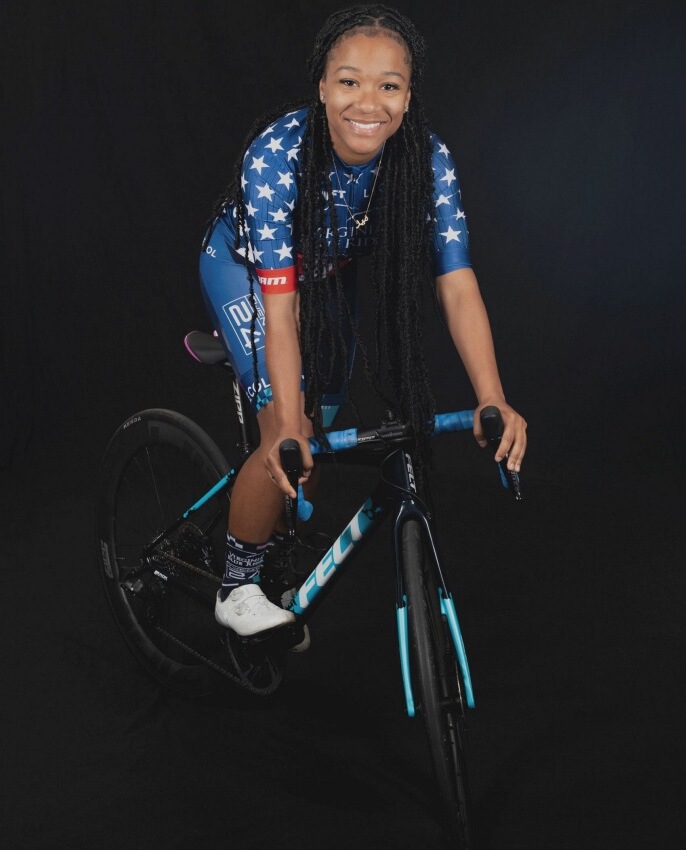
Maize Wimbush, a teen bicycling champion from Prince George’s, has experienced some of the effects of climate change firsthand; namely, the closure of potential training facilities and competition opportunities due to heat and rain closures.
“Heat stress can lead to heat exhaustion, dehydration, and heatstroke, especially during summer months,” Wimbush said. “This can impact training regimens and require adjustments in scheduling, which can create emotional stress and potentially impact the mental well-being of young athletes. Climate change contributes to poor air quality, primarily through increased levels of air pollution and allergens, which can trigger respiratory issues that can affect the performance and participation of youth athletes.”
Wimbush said in response to environmental challenges, “sports organizations, coaches, and communities are encouraged to raise awareness of climate change risks.”
She said athletic professionals are told to “do our best to advocate for environmental conservation in an effort to promote sustainable practices within sports.”
Climate change can have even more severe effects on sports involving animals. Morissa Hall, a champion teen horse rider from Prince George’s County, has experienced this firsthand.
“The warmer temperatures create an increased chance for infections from ticks and pests,” Hall’s father said in an email interview. “Furthermore, horses don’t tolerate exercise at a high level in the heat. So we limit the competitions during the spring and summer in the best interest of the horses.”
Last year, Negro League Legend Hall of Fame founder Dwayne Sims planned the 90th Annual East v. West All Star Game, a free event celebrating Negro League history, for late July. The event was rescheduled to late August due to a heat wave—the high for the original date was 97 degrees with a “feels-like” temperature of 108.
Sims noted that Maryland has experienced unsettled weather patterns in recent years, giving rise to long and humid springs followed by drought-like conditions in the summers.
The harms of extreme heat also don’t fall on everyone equally. Predominantly Black, brown and low-income neighborhoods nationally and in the DMV are more likely to experience the urban heat island effect, which causes some areas to get far hotter than others.
Urban heat islands are usually places that have little green space, few trees and lots of asphalt and other dark man-made surfaces; these are often Black neighborhoods due to the legacy of red-lining and other historic and ongoing racist policies.
Further, people with preexisting conditions like diabetes, heart disease and asthma face higher risks for the health harms associated with high heat. Because of a wide range of factors—from food deserts to healthcare access barriers to generational wealth gaps—these health issues disproportionately affect Black and low-income Americans.
“Climate change is affecting our youth, especially those from unhealthy environments,” Sims said.