

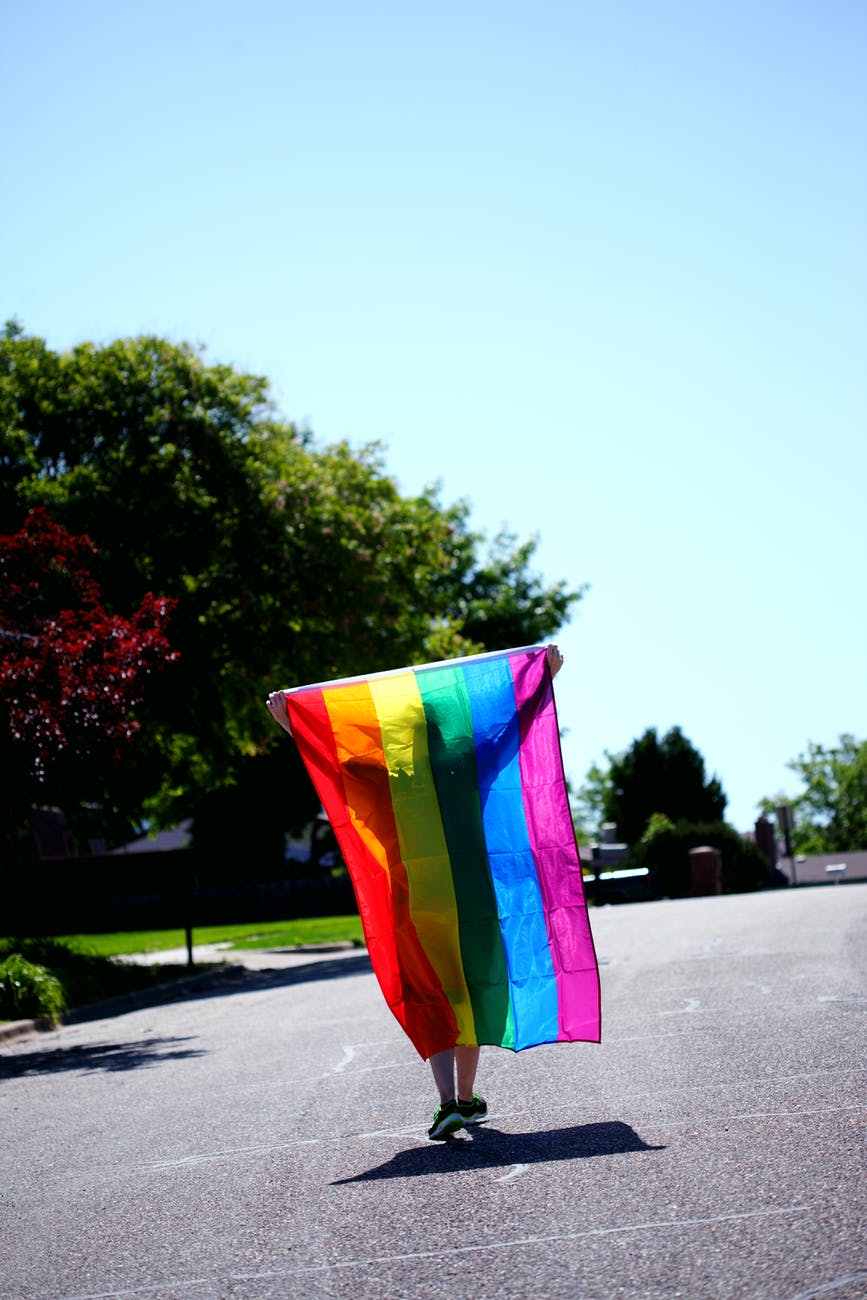
Happy Pride Month! It’s June, which means that many businesses and people alike are showing off their Pride by incorporating rainbow colors, sharing stories and moments, and ensuring it’s clear they display full support for the LGBTQIA+ (lesbian, gay, bisexual, trans, questioning/ queer, intersex and allies) community.
All over the District, rainbow flags can be seen hanging in windows and throughout the month are Pride parties and festivities, including the Capital Pride Parade on Saturday, June 10.
With a UCLA report noting D.C. is the U.S. city with the highest LGBTQIA+ population, D.C. Mayor Muriel Bowser emphasizes that the District has long celebrated its queer community, with the first Capital Pride held in 1975.
“Washington, D.C. is a leader in both LGBTQIA+ and human right6s, and I am proud that our laws reflect our D.C. values,” Bowser wrote in a proclamation. “D.C. has the highest percentage of LGBTQIA+ people in the nation, attracting LGBTQIA+ visitors from across the U.S. and the world to visit and move to Washington, D.C. because of our record as a welcoming and inclusive city.”
Despite having the Mayor’s Office of LGBTQIA+ Affairs and celebrations year round, with such commemorations as Trans Pride, D.C. Black Pride and more, members of the District’s LGBTQIA+ community still face more inequities, violence and challenges than their non-LGBTQIA counterparts.
According to a report as part of the “DC Healthy People 2020” initiative: “LGBT Health in the District of Columbia,” LGBTDistrict adults are more likely to report 15 to 30 days of mental health “not being good, which includes stress, depression and problems with emotions,” in comparison to non-LGBT residents. Also, the report reveals LGBT adults are more likely to be binge drinkers and report that they have used cocaine or heroin; and more likely to have been diagnosed with asthma and depression than their non-LGBT counterparts.
Further, in 2019, the Washington Blade reported that 6% of LGBTQ residents are unemployed and uninsured, 19% are food insecure and 18% have income less than $24,000.
Nationwide statistics show young LGBTQ people face higher statistics of rejection, violence, suicide and homelessness in comparison to their non-LGBTQ peers, according to the Annie E. Casey Foundation. The foundation also reported that LGBTQ youth are overrepresented in the child welfare and juvenile justice systems, and more likely to drop out of school than their classmates.
Moreover, while trans violence is rampant throughout the country and world, Black trans people are disproportionately affected, according to Human Rights Watch, with at least 88% of the transgender people killed in Florida, 91% in Ohio and 90% in Texas being people of color.
As the world, nation and city rallies from the effects of the COVID-19 pandemic, the District’s most marginalized communities, including the LGBTQIA+ community, continue to feel the burn of poverty, food insecurity, violence, and lack of access to housing, healthcare and behavioral and mental health services. Combined with homophobia, hate crimes and hurtful stigmas, D.C.’s LGBTQIA community still must fight to make their voices heard and address challenges to improve disparities and inequities.
So this June, as you celebrate Pride from up close or from a distance, remember there’s more to the commemoration than rainbows and parades, it’s a time of year to show support for a community who has been historically marginalized and continues to face issues today. It’s a moment to celebrate how far LGBTQIA+ rights have come, while also acknowledging there’s more progress to be made in the fight for true equity.