

As children continue to enjoy summer vacation, educators are already making plans for the fall in hopes of raising test scores, incorporating AI into classrooms and improving the educational experience for each and every student.
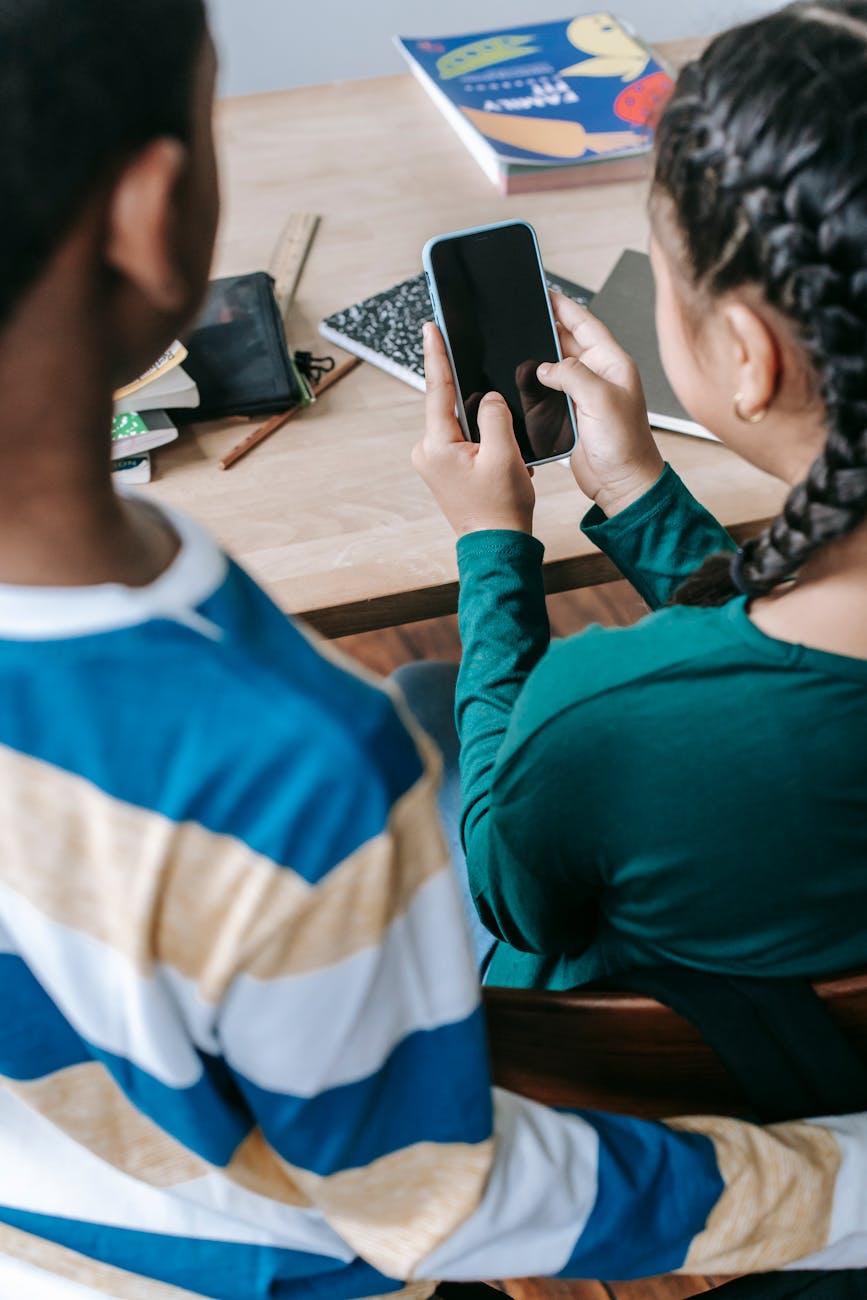
However, one potential change to students’ day-to-day activities that’s garnered criticism and concern is the recent executive order, issued by Virginia Gov. Glenn Youngkin, to limit or ban cell phone use for the Commonwealth’s nearly 1.2 million public school students. Youngkin says he wants to improve student mental health and safety while also improving academic performance for underachieving adolescents.
And the governor isn’t playing around, giving the Virginia Department of Education less than a month, Aug. 15, to come up with a rough draft of procedures that would restrict cell phone use during instructional time and until Sept. 16 to issue final recommendations on the new policy that schools would be required to implement by Jan. 1, 2025.
Studies show that cell phones can be detrimental to students’ learning and mental health, leading other school districts to take action. The Angeles Unified School District already bans cell phones during school hours and New York Public Schools are working to implement one.
Dozens of reputable studies which indicate that cell phone use in class impacts students’ ability to focus and engage, resulting in lower grades. And with the proliferation of social media in children’s lives, the American Psychological Association, as Youngkin noted, found that adolescents who spend more than three hours a day on social media double their risk of poor mental health.
Still, do politicians have the kind of insight and experience needed to develop and implement best practices for public school students? The issue of limiting or banning cell phone use during instructional time should be solved by those who have the appropriate qualifications: educators.
Like it or not, there are just as many good reasons for banning cell phones for students as there are bad ones. Either way, we cannot ignore the fact that cell phones have become an integral part of all people’s lives – from preschoolers to retirees.
Cell phones have become an extension of arms for many, but adults and parents realize that there needs to be some balance, and some limits, so students can better learn, listen and interact with their teachers and classmates. Nonetheless, shouldn’t it be up to educators to determine the proper balance of cell phone usage in the classroom.
Youngkin may have the best of intentions, but the best way to help young learners learn more effectively is to allow educators, not politicians, to sort it out.